
Ready to take the challenge? Prepare your body for sperm donation success.
Supporting future families starts with supporting your own reproductive health.
Becoming a sperm donor is an incredibly meaningful decision – and one that begins long before you walk into the clinic. Sperm quality is influenced by everyday habits, and with a little preparation, donors can significantly improve their chances of passing screening and providing high‑quality samples for patients who rely on them.
Let’s break down practical, evidence‑based steps to help you optimise sperm health in the weeks and months leading up to donation.
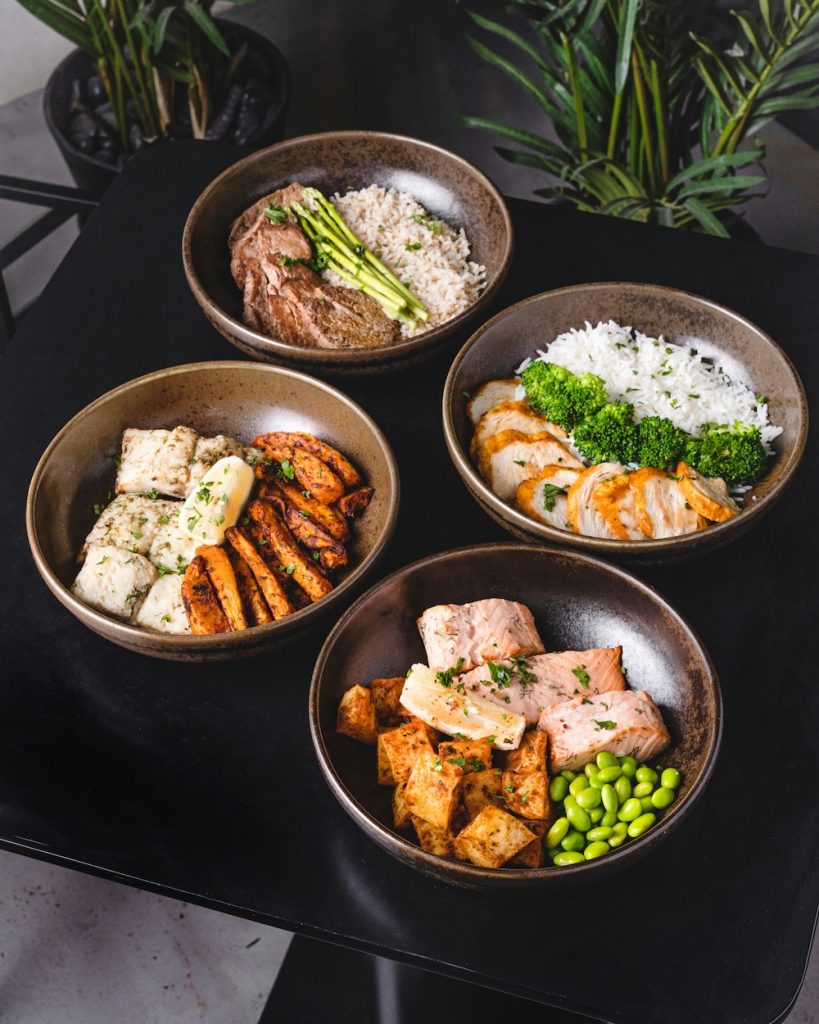
1. Eat to Support Fertility
A few easy additions to your diet can make a real difference:
– Antioxidant‑rich foods like berries, nuts, and leafy greens
– Omega‑3s from fish or walnuts
– Vitamins and minerals such as zinc, selenium, and vitamin C
These nutrients help protect sperm from oxidative stress and support healthy production.
2. Cut Back on Smoking, Vaping & Recreational Drugs
These can lower sperm count and motility. Reducing or stopping them often leads to noticeable improvements!
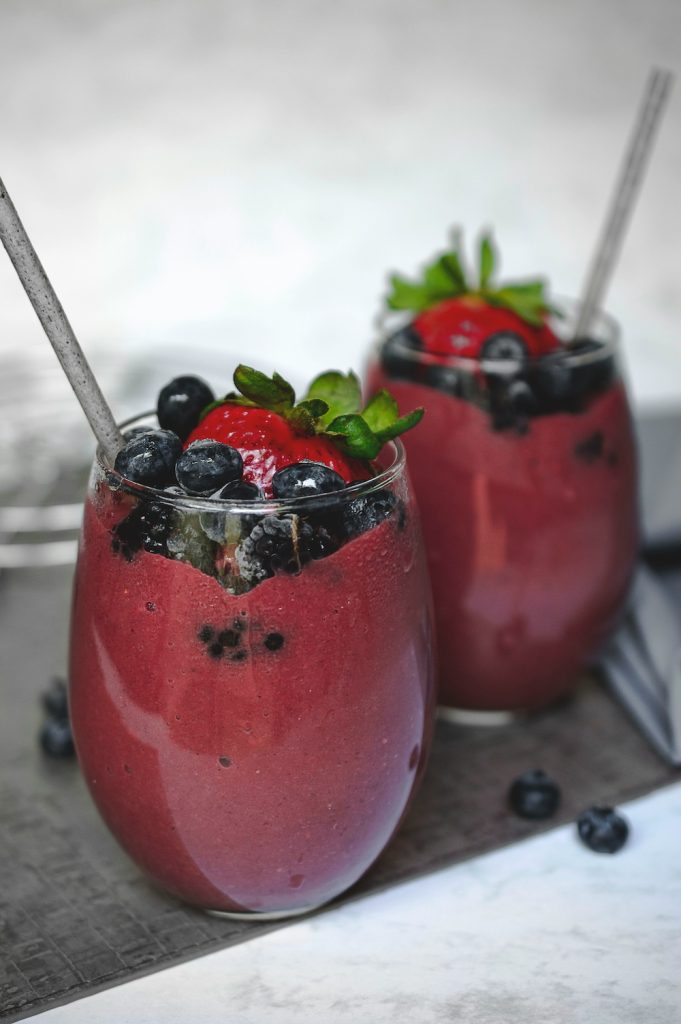
3. Keep Alcohol Moderate
Heavy drinking affects hormone balance and sperm quality. Keeping alcohol low and occasional is the best approach when preparing to donate.
4. Move Regularly
Moderate exercise boosts overall reproductive health. You don’t need to train like an Olympian – even brisk walking or light strength training helps.
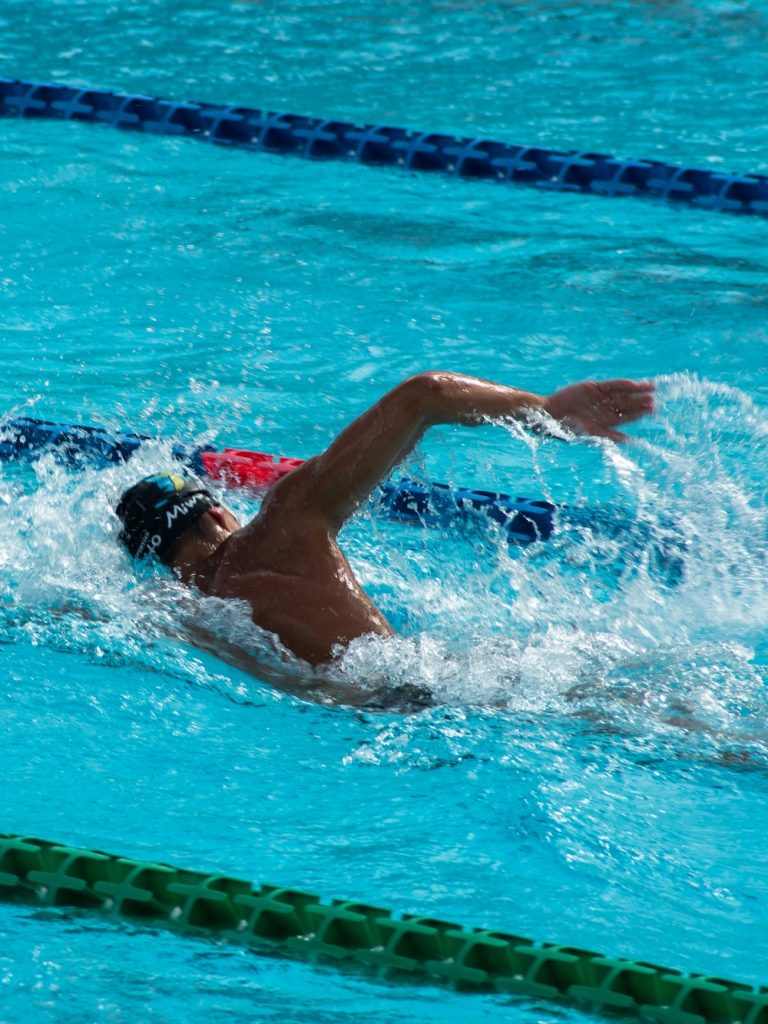
5. Keep Things Cool
Sperm production is temperature sensitive. A few simple habits help:
– Skip hot tubs and saunas
– Don’t rest laptops directly on your lap
– Choose looser underwear
6. Prioritise Rest & Stress Management
Good sleep and lower stress levels support healthy hormone function. Aim for 7–9 hours of sleep and build in small moments to unwind.

7. Give It Time
Sperm take around 70-90 days to fully develop. The changes you make now will show up in a couple of months – consistency is key!
See How You Measure Up
Improving sperm health isn’t about drastic lifestyle changes – it’s about creating the best possible environment for your body to do what it already knows how to do.
Think your swimmers have what it takes? Apply to be a donor today.
